Moon Phase for Tomorrow – In this article, you will get to know all about the Moon phase tomorrow whether it is a new Moon, waxing crescent, first quarter, waxing gibbous, full Moon, waning gibbous, third quarter and waning crescent. The moon cycle repeats once a month for every 29.5 days.
Moon Phase Tomorrow on May 25, 2025: A Waning Crescent Moon Illuminates the Pre-Dawn Sky
The Moon Phase Tomorrow on May 25, 2025, reveals a delicate waning crescent hanging low in the pre-dawn sky. This slender sliver of the moon casts a soft, gentle light as it slowly fades toward the new moon phase. Knowing the moon phase for tomorrow helps stargazers and night owls plan their observations, while it also influences tides and can affect our mood and daily rhythms.
Understanding the Moon Phase Tomorrow on May 25, 2025, offers a glimpse into the natural cycles that govern both astronomy and everyday life. If you want to explore how lunar phases shape your zodiac sign’s energy, check out the Horoscopeview daily astrology for more insights.

Understanding the Waning Crescent Moon on May 25, 2025
The Moon Phase Tomorrow on May 25, 2025, finds us watching the waning crescent moon, a fragile silver curve that hints at the end of one lunar cycle and the quiet approach of a new beginning. This phase marks a moment of stillness in the moon’s journey, where light fades to a slender edge and the night sky feels more spacious. Let’s take a closer look at what this means for illumination, the lunar cycle, and its astrological influences.
Illumination and Visibility
With just 5.25% illumination, the moon shines as a slim crescent shape—barely a whisper of light against the vast night sky. Visually, this means you’ll see a delicate, curved sliver of the moon’s surface glowing faintly, resembling a silver fingernail rather than a full orb.
This glow is best observed just before sunrise when the waning crescent hangs low in the western sky. As dawn approaches, the sky softens from black to deep blue, making that crescent appear more striking. If you’re in an open area free from city lights—say a quiet park or countryside—the visibility improves significantly. The rest of the moon remains in shadow, offering a striking contrast that highlights the celestial dance between darkness and light.
Lunar Age and Cycle Position
On May 25, 2025, the moon will be 27.67 days old within its approximately 29.5-day lunar cycle. Positioned so close to the New Moon, this waning crescent signals the final act of the current lunar journey. The moon’s illumination shrinks daily, preparing to start fresh with the New Moon phase, which marks the cycle’s rebirth.
Think of it like the last pages of a book being turned before a new story begins. This period is a natural wrap-up phase, often associated with reflection and completion. The position in the cycle reminds us of nature’s rhythms and encourages us to complete projects or let go of what no longer serves us.
Moon’s Position in Taurus and Astrological Significance
On this date, the moon resides in Taurus, a fixed earth sign known for grounding energy, practicality, and a deep connection to the sensual and material world. When the moon rides through Taurus during the waning crescent, emotions tend to settle into a calm, steady rhythm. Intuition sharpens around tangible needs like comfort, security, and stability.
Astrologically, this lunar placement invites a slow and mindful approach to endings. It encourages you to build on what’s solid and valuable, winding down with patience rather than haste. Taurus’s influence nurtures a sense of inner peace, helping you tune into your body and your heart’s quiet voice as the moon fades into darkness.
For those curious about astrology’s impact on the moon phases, exploring the daily astrology insights can provide tailored guidance and deeper understanding of how the moon’s shifts affect different zodiac signs.
For more detailed information on the moon’s behavior and timing, you can check out reputable astronomic references like the Moon Phase for Sunday May 25th, 2025 or the Moon Phase on May 25, 2025, which offer precise data on illumination and viewing best moments.
How the Waning Crescent Phase Affects Nature and Culture
The waning crescent moon phase signals a natural slowing down, a wind-down of energy that ripples through both nature and our human stories. This phase carries a quiet power, subtly shifting tides and dimming night skies while inspiring long-held cultural traditions around the world. Let’s explore how this gentle moon phase leaves its mark on the environment and our traditions.
Tidal Effects and Night Illumination
As the waning crescent moon edges closer to the new moon, its gravitational pull on Earth’s oceans lessens, influencing tidal patterns in subtle yet meaningful ways. Tides during this phase are typically weaker compared to the powerful spring tides seen during full and new moons. This dip in tidal strength happens because the sun and moon’s gravitational forces are not perfectly aligned, leading to smaller tidal bulges. Coastal waters experience less extreme highs and lows, giving marine life a calmer environment to adjust and thrive.
At night, the waning crescent moon’s illumination slips to a thin, fragile sliver—often less than 10% visible. This faint glow offers just enough light to soften the darkness without overpowering it. The result is longer stretches of darker skies, which benefit nocturnal animals relying on minimal light for hunting or navigation. Stargazers also gain a better view of the cosmos, as the moon’s shy presence leaves space for more stars to shine through.
If you want a detailed understanding of how moon phases shift tides, NOAA’s detailed explanation on tidal variations provides an excellent resource.
Cultural and Traditional Observances
Across cultures, the waning crescent moon holds special meaning, often seen as a symbol of closure, reflection, and preparation for renewal. Spiritual and religious traditions recognize this phase as a time to release the old and ready oneself for new beginnings.
In Islamic culture, the waning crescent plays a notable role during Ramadan, helping mark the end of fasting. This month of fasting concludes as the moon fades toward new moon sighting, a moment celebrated with reflection and festivities. Beyond Islam, various indigenous and pagan communities embrace the waning crescent as the “wise woman” or crone phase of the moon—an archetype representing wisdom, letting go, and inner knowing.
Many traditions also hold rituals during this time that encourage quiet contemplation, clearing clutter both physically and mentally. These practices might involve meditation, journaling, or simple ceremonies to honor endings.
Learn more about the spiritual significance of this phase with insightful reflections from Jihi’s moon cycle magic and practical ritual guides like those found in this moon phase ritual guide.
The waning crescent moon not only shapes the world’s tides and night light but also weaves quietly into cultural rhythms, guiding seasonal cycles and personal journeys. Understanding the Moon Phase Tomorrow on May 25, 2025, means appreciating its role beyond the sky — as a natural clock marking endings and suggesting new paths forward. For more on lunar influences, visit our guide on daily astrology to see how the waning crescent in Taurus can affect your mood and outlook.
How to Observe the Moon on May 25, 2025
Observing the Moon on May 25, 2025, is a chance to witness a subtle yet captivating stage in its lunar cycle—the waning crescent. This phase offers a unique viewing experience due to the moon’s slender illuminated curve and its position in the early morning sky. If you want to make the most of this moment, here are practical tips to spot and appreciate the Moon Phase Tomorrow on May 25, 2025.
Best Time and Direction to Look
The waning crescent moon will be most visible before sunrise. To catch this delicate crescent, plan your observation about an hour or so before dawn. Look toward the western sky, where the moon will hang low near the horizon. Since the moon’s illumination is only about 5%, it appears as a thin, silver sliver contrasting against the fading night.
Finding a spot with an unobstructed view of the western horizon is key. Open fields, rooftops, or parks away from tall buildings and trees provide the clearest sightlines. The darker your surroundings, the easier it is to pick out the faint glow of the moon before the sunrise light grows too bright.
Equipment and Viewing Tips
You don’t need fancy gear to enjoy the waning crescent moon, but here are some tools and tips to enhance your observation:
- Binoculars: A simple pair can reveal surface details, adding depth to the crescent’s glow.
- Camera with zoom lens: Capture the moon’s thin curve and detail for later viewing or sharing.
- Red flashlight: Use this to preserve your night vision as you prepare and observe.
- Check the weather: Clouds can obscure the moon, so choose a clear morning.
- Note the moon’s age and position: On May 25, the moon is in a late stage of waning, close to new moon. It sits in Taurus, adding a calm, grounding presence to the morning sky.
Enhancing Your Experience
Beyond just looking up, consider these ideas to deepen your moon observation:
- Track the moon’s movement: Watch how it slowly dips below the western horizon as the sun rises.
- Combine with stargazing: The waning crescent’s faint light means more stars can be seen, shining brightly around the moon.
- Journal your observations: Note the moon’s shape, brightness, and how it makes you feel — this phase encourages reflection and quiet.
- Learn lunar lore: Understanding the moon’s place in culture or astrology, like its Taurus influence, enriches your view.
For detailed daily guidance on lunar observation including May 25, check NASA’s Daily Moon Guide which offers tools for tracking the moon’s position and phases throughout the year.
To get a broader sense of the moon’s movement in 2025 and additional tips for lunar watchers, browse the Moon Phases in 2025 page. It’s a useful resource to plan your viewings and understand how phases evolve.
Watching the Moon Phase Tomorrow on May 25, 2025, invites you to pause and connect with the quiet close of one lunar cycle. With clear skies and a bit of preparation, your early morning can transform into a serene moment under the waning crescent’s soft glow.
Moon Phase Tomorrow on May 25, 2025: What it Means for You
Knowing the Moon Phase Tomorrow on May 25, 2025, helps you connect with the flow of natural rhythms and prepare for the subtle shifts it brings. The waning crescent moon casts a quiet, silver glow, signaling the last steps before the lunar cycle resets. This phase invites reflection, endings, and a sense of calm—a perfect moment to pause and realign with your inner world.
What the Waning Crescent Symbolizes for You
The waning crescent phase is all about winding down. Light diminishes to a thin curve, encouraging you to turn your focus inward. It’s like the last breath before a new beginning, a chance to let go of what’s no longer needed and make space for fresh energy.
- Reflection and release: This phase supports ending old habits or projects that have run their course.
- Inner peace: With the moon in Taurus on this date, you’re drawn to grounding yourself, seeking comfort and stability.
- Preparation: It’s the natural time to rest and gather strength for what’s ahead.
This slow energy is a reminder that sometimes the best progress happens in stillness. Much like the moon’s light fading softly before the new moon’s fresh start, your own growth can bloom from thoughtful pause and care.
How It Influences Your Mood and Energy
With the moon’s waning light, emotional tides tend to calm, making it easier to let go of tension or overwhelm. Taurus’s steady nature helps anchor your feelings, encouraging patience and practical decisions.
You might find yourself feeling more connected to your senses and surroundings. This is an excellent time to focus on wellness habits like gentle movement, nourishing meals, or quiet moments outdoors. The waning crescent’s energy promotes clarity and helps sift through emotional clutter.
Practical Ways to Align with This Moon Phase
To make the most of the moon’s influence on May 25, 2025, consider:
- Journaling: Reflect on what you want to release in this cycle.
- Decluttering: Clear your space as a symbol for clearing your mind.
- Meditation: Use this calm phase to reconnect with your body and breath.
- Setting intentions: Think about what you want to welcome once the new moon arrives.
Understanding and following the lunar cycle can deepen your connection to natural rhythms and support personal growth cycles. For more lunar insights, check out the Moon Phase for Sunday May 25th, 2025 to see exact details on the moon’s illumination and position.
You can also explore how daily lunar phases affect your sign by visiting this page about the Lunar Phase Tomorrow, bringing tailored guidance for your zodiac that syncs with the moon’s journey.
Aligning with the Moon Phase Tomorrow on May 25, 2025, isn’t just about watching the night sky—it’s about feeling the gentle pulse of change and renewal within yourself.
Conclusion
The Moon Phase Tomorrow on May 25, 2025, offers a peaceful moment under a waning crescent moon barely lit at just over 5%. This slender crescent in Taurus marks the winding down of the lunar cycle, pulling focus inward and inviting calm reflection. Watching this subtle glow in the pre-dawn western sky connects us to the natural rhythm of endings and preparation for new beginnings.
Taking time to observe this phase reminds us of the steady pulse of nature—quiet, slow, and deliberate. For more on how the moon’s phases dance through the calendar and influence our moods and actions, explore the Moon Phases Cycle to deepen your understanding of lunar rhythms.
Embrace this waning light as an opportunity to pause, release, and ready yourself for the fresh energy that follows the new moon ahead. Your next step might be as simple as stepping outside tomorrow morning to witness the Moon Phase Tomorrow on May 25, 2025 and feel connected to the sky’s gentle signals.
What is meant by a moon phase?
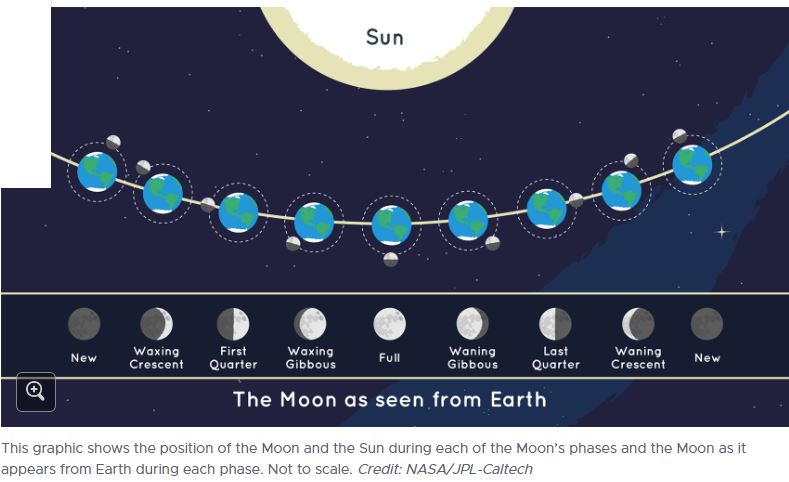
The meaning of moon phase by NASA is the portion of the moon that you can see from Earth on any given night is called the “Moon Phase”. As the moon orbits around the Earth, sun-light is reflected off the moon’s surface and that light reaches us on Earth.
The moon phase depends on where the moon is in its orbit.
Do moon phases affect us?
According to NASA, the lunar-cycle has an impact on human reproduction, in particular fertility, birth rate and menstruation. Melatonin-levels are visible to correlate with the menstrual cycle.
How many Moon phases are there?
The Moon displays these 8 phases one after the other as the moon moves through its cycle each month.
It takes 27 days for the Moon to orbit Earth. So, the Moon’s cycle is 27 days long.

Leave a Reply